Italiano
During its second year, SPACE-NEST moved from research and exploration towards co-design, territorial planning and the definition of concrete pathways for the future reuse of abandoned and underused spaces.
In Spain, Italy and Slovenia, the partners of the SPACE-NEST project continued to engage public authorities, social economy organisations, researchers, businesses, professionals and local communities to explore new approaches to the regeneration of rural and mountain areas, inspired by the principles of the New European Bauhaus – Beautiful, Sustainable, Together – and translate them into concrete regeneration strategies for rural and mountain territories.
Through Social Economy Missions, participatory workshops and Sharing Days, the project transformed dialogue and exchange between territories into concrete proposals and strategies.
From Rural Innovation to Action
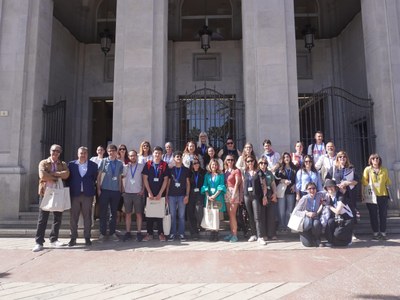
Following the first Social Economy Mission in Slovenia in June 2025, the exchange journey continued in the Province of Bergamo in November 2025 and in the Province of Málaga in April 2026. The missions combined study visits, dialogue with local stakeholders and collaborative activities to identify new opportunities for the use of abandoned or underused spaces.
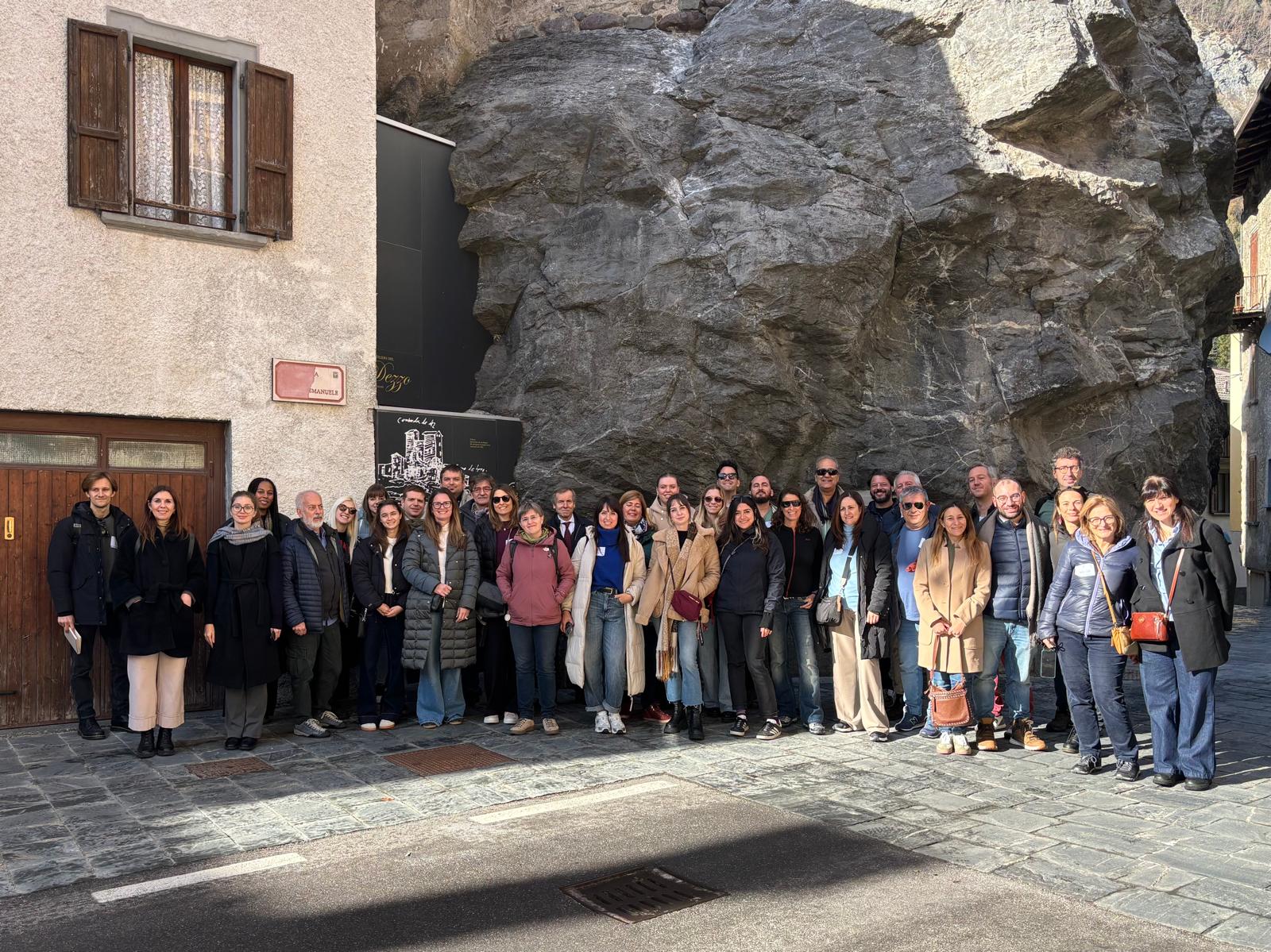
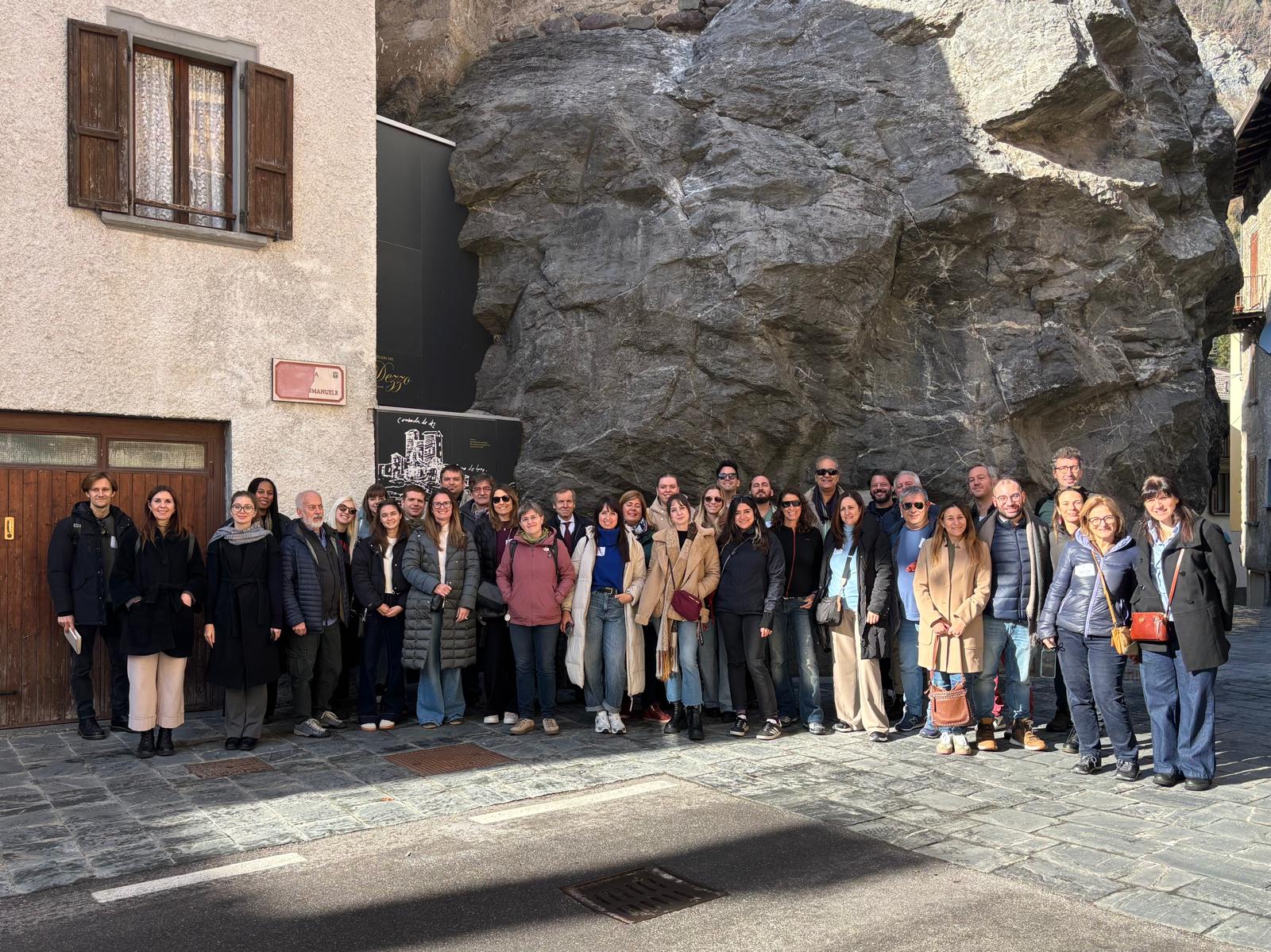
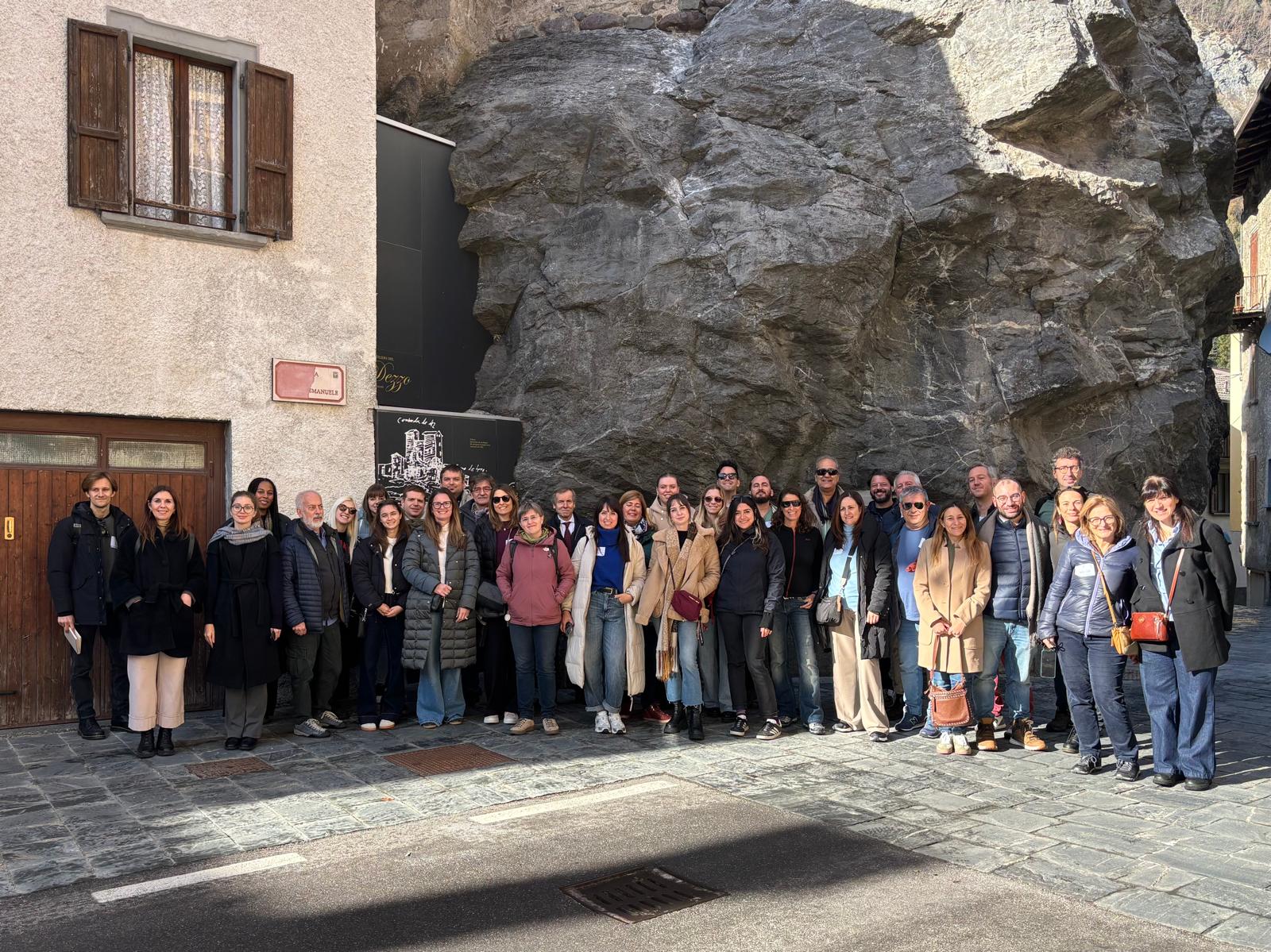
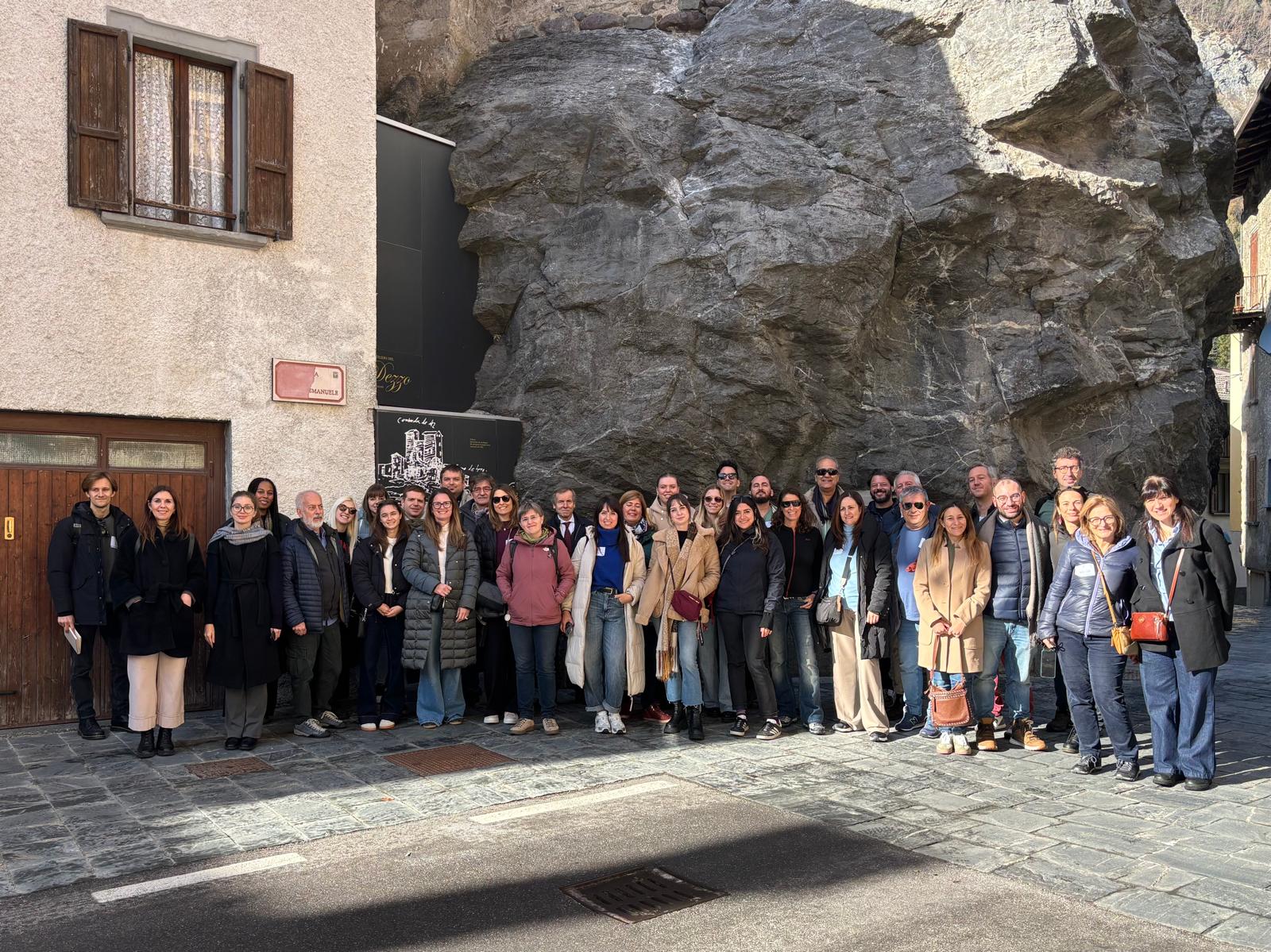
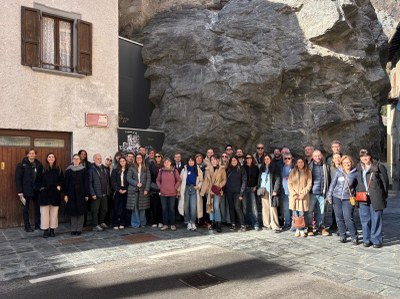
During the Social Economy Mission in Bergamo, 40 participants explored different regeneration experiences in Valle di Scalve and, through a Design Thinking workshop, developed four proposals for the reuse of several buildings. The process led to the identification of Casa sulla Roccia and Casa Bonaldi Grassi as priority sites for future initiatives, respectively envisioned as a possible cultural gateway to the valley and as a community hub.
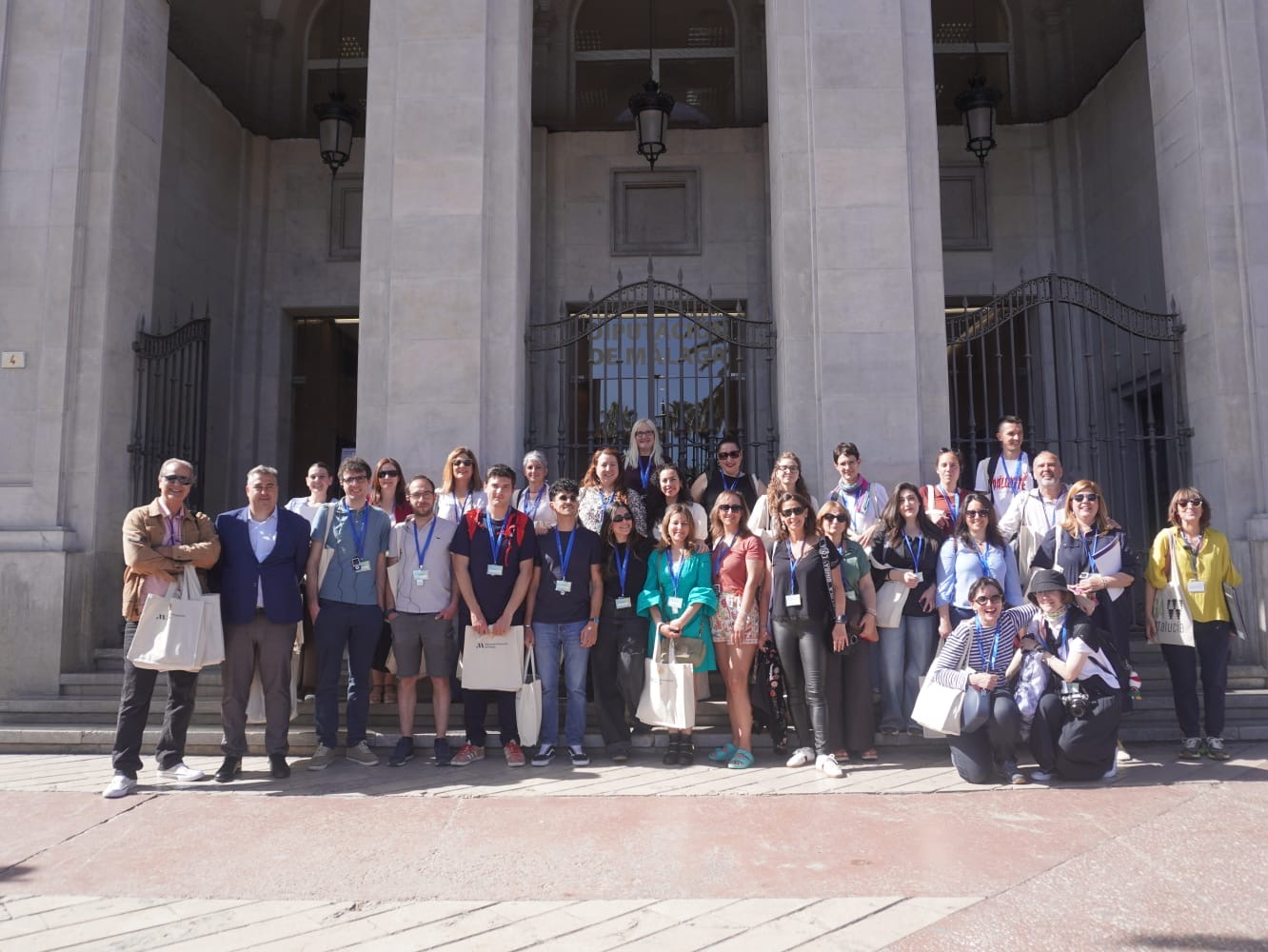
In April 2026, the Málaga Mission brought together 45 participants in the Serranía de Ronda, with visits to initiatives focused on environmental education, the social economy, culture and innovation. The process concluded with five proposals for the regeneration of a former school building in Cortes de la Frontera, all sharing the objectives of creating employment, strengthening social inclusion and enhancing local resources.
Sharing Results with Local Territories
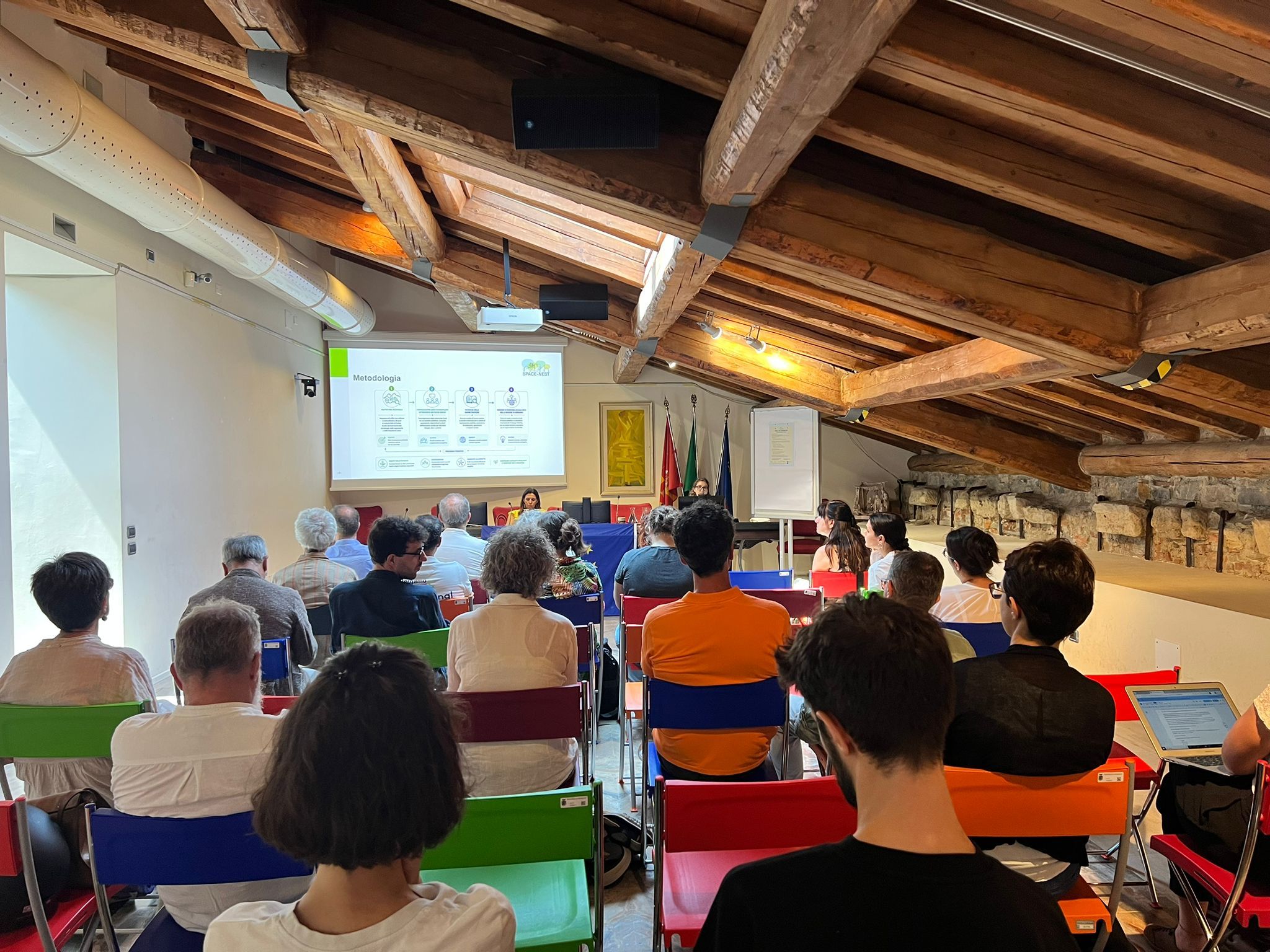
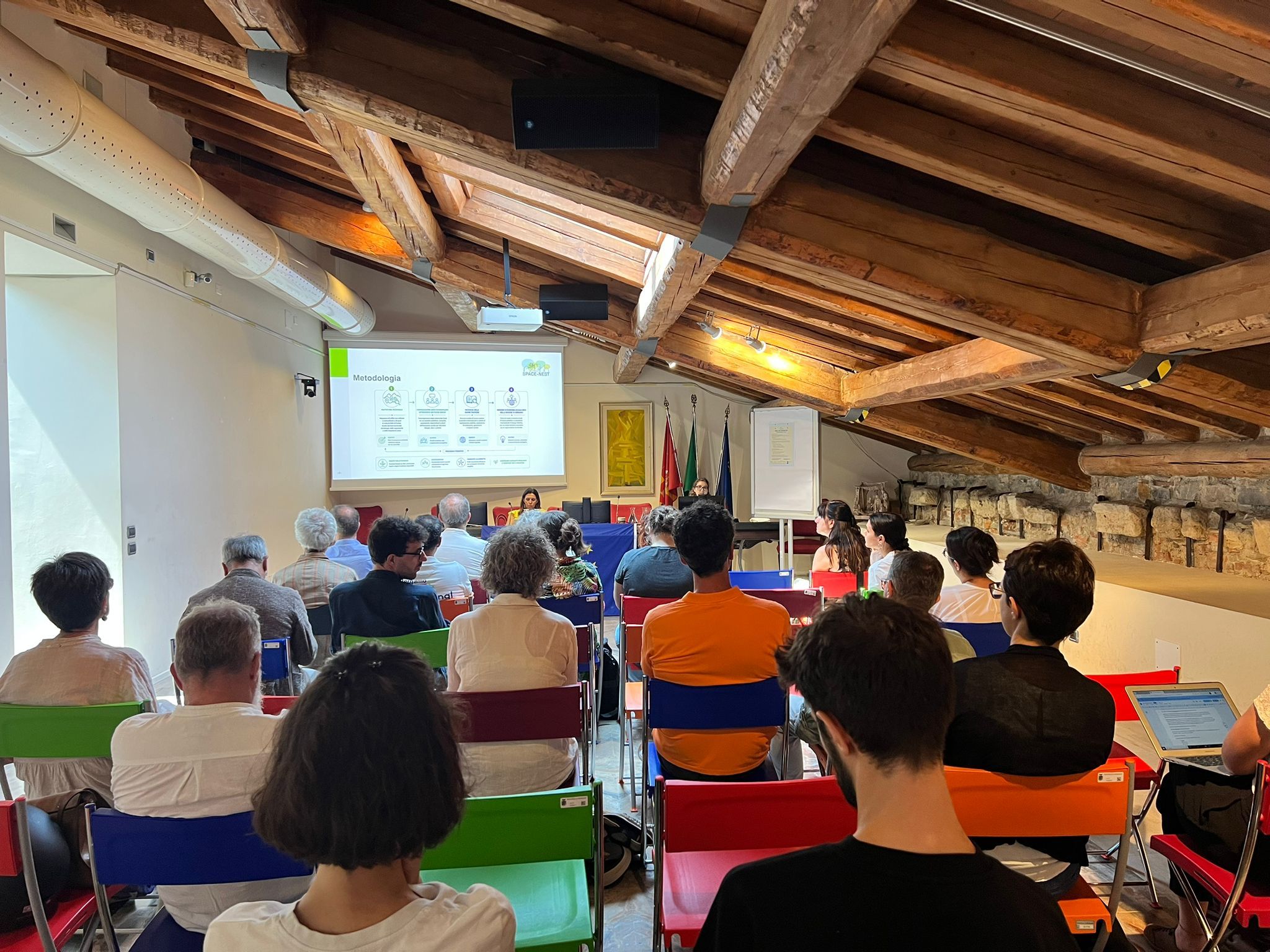
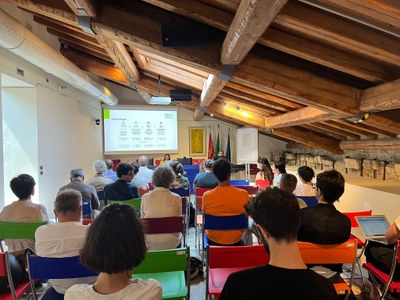
In June 2026, three Sharing Days held in Izola, Málaga and Bergamo provided an opportunity to present the project’s results and engage with local communities on future prospects. The meetings involved more than 100 participants overall and highlighted a shared interest in concrete results, realistic implementation pathways and new opportunities for participation.
In Izola, SPACE-NEST was presented as part of a local event dedicated to Olive Oil, Wine and Fish, reaching a broader audience than traditional project meetings. In Málaga, discussions focused on the role of the New European Bauhaus and the social economy in transforming rural territories, while in Bergamo the territorial process, the mapping and matchmaking platform, and the Action Plan were presented.
On 10 June, the international webinar “New European Bauhaus: A Strategic Opportunity for Inclusion and the Third Sector” also took place, bringing together 86 participants from 18 countries and exploring the role of the third sector in developing more inclusive and sustainable NEB projects.
From Mapping to Action Plans
One of the main outcomes of SPACE-NEST’s second year was the transition from research and mapping towards the development of Territorial Action Plans, built around the specific characteristics of the three pilot territories. The plans identify priority spaces, possible governance and management models, partnerships, funding opportunities and actions to ensure long-term community engagement.
In Primorska, the Action Plan focuses on the gradual revitalisation of the former ARGO fish processing plant in Izola, through pilot activities, temporary initiatives and experimentation aimed particularly at young people and the local community.
In the Province of Bergamo, the plan focuses on Casa sulla Roccia and Casa Bonaldi Grassi and also proposes a provincial platform to connect underused spaces, municipalities, social economy organisations, communities and potential managers, with the aim of developing a model that can be replicated in other rural and mountain areas.
In the Province of Málaga, the Action Plan aims instead to transform underused and abandoned rural assets into opportunities for employment, local development and the social economy, through concept notes, pre-feasibility studies and a roadmap for integrating NEB principles into future projects and funding opportunities.
CLICK HERE TO DOWNLOAD THE BERGAMO ACTION PLAN
A Shared Legacy for Rural Europe
Over the course of two years, SPACE-NEST has shown how the regeneration of abandoned spaces can become an opportunity to create new possibilities in housing, employment, culture, education, entrepreneurship and community services.
The project leaves the three territories with a shared methodology, stronger stakeholder networks, a mapping of available spaces and strategies built around local needs, creating a foundation for future partnerships and regeneration initiatives aligned with the principles of the New European Bauhaus.